
The 18-year real estate cycle is a fascinating phenomenon that has intrigued economists, investors, and homeowners alike for decades. This cycle is not just about the ebb and flow of property prices; it encompasses broader economic trends, demographic shifts, and societal changes that influence the housing market over an extended period. Understanding this cycle can provide valuable insights into when to buy, sell, or invest in real estate.
What is the 18-Year Real Estate Cycle?
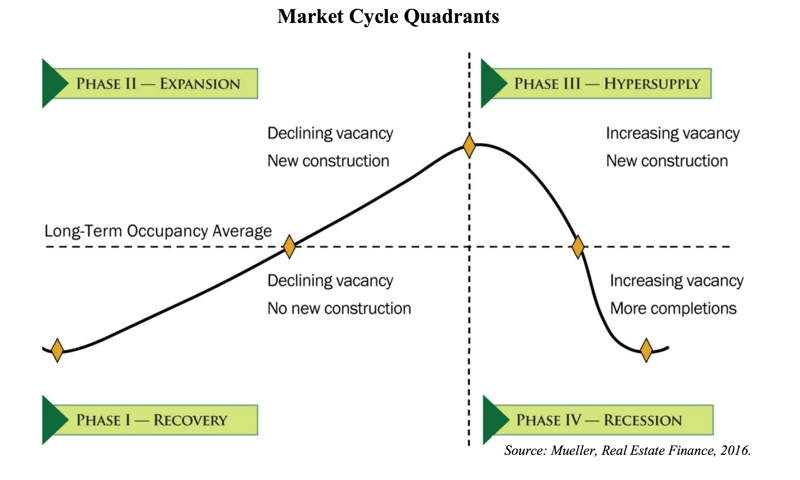
The 18-year real estate cycle refers to the repetitive pattern in which the housing market experiences phases of expansion, peak, contraction, and trough roughly every 18 years. This cyclical nature is influenced by a combination of economic factors, consumer confidence, interest rates, housing supply and demand dynamics, and demographic trends.
Phases of the 18-Year Real Estate Cycle
- Recovery and Expansion: This phase marks the beginning of the cycle after a period of downturn. During this time, economic conditions improve, interest rates are low, and consumer confidence starts to rise. As a result, demand for housing increases, leading to higher property prices and construction activity.
- Peak: The peak of the 18-year real estate cycle is characterized by robust economic growth, high levels of investment in real estate, and a frenzied housing market. Property prices reach their highest point as speculation and demand outstrip supply.
- Contraction: After reaching the peak, the housing market enters a phase of contraction. Rising interest rates, affordability issues, or changes in economic conditions can contribute to a slowdown in housing demand. Property prices may stabilize or start to decline during this phase.
- Trough: The trough represents the bottom of the cycle, where the housing market experiences the lowest point in terms of prices and activity. This phase is typically characterized by high vacancy rates, foreclosures, and limited new construction.
Factors Influencing the 18-Year Real Estate Cycle
- Economic Indicators: Factors such as GDP growth, employment rates, inflation, and monetary policy play crucial roles in shaping the 18-year real estate cycle. Strong economic fundamentals often coincide with periods of housing market expansion.
- Interest Rates: Fluctuations in interest rates, set by central banks, directly impact mortgage rates and affordability. Lower interest rates stimulate housing demand, while higher rates can deter potential buyers and investors.
- Demographic Trends: Changes in population demographics, including migration patterns, household formation rates, and generational preferences (such as millennials entering the housing market), influence housing demand and market dynamics.
- Supply and Demand Dynamics: The balance between housing supply and demand is critical in determining property prices and market conditions. Shortages in housing supply can drive up prices during periods of high demand, while oversupply can lead to price corrections during downturns.
Historical Examples of the 18-Year Real Estate Cycle
Throughout history, the 18-year real estate cycle has exhibited remarkable consistency, although its duration and intensity may vary depending on external factors such as geopolitical events or global economic crises. For instance, the United States experienced notable cycles in the late 20th and early 21st centuries, including the boom and subsequent bust of the housing market in the mid-2000s.
Investing Strategies Based on the 18-Year Real Estate Cycle
Investors and homeowners can use knowledge of the 18-year real estate cycle to inform their financial decisions:
- Buy Low, Sell High: Recognizing the peak and trough phases allows investors to buy properties when prices are low and sell during periods of high demand and price appreciation.
- Long-Term Planning: Understanding the cyclical nature of real estate can aid in long-term financial planning, including retirement strategies or wealth accumulation through property investment.
- Diversification: Diversifying real estate investments across different phases of the 18-year cycle can mitigate risks associated with market fluctuations and economic downturns.
Future Outlook and Trends
Looking ahead, ongoing urbanization, technological advancements, and shifts in consumer behavior may influence the trajectory of the 18-year real estate cycle. Innovations in sustainable building practices, remote work trends, and evolving housing preferences are expected to reshape the housing market dynamics in the coming decades.
Conclusion
The 18-year real estate cycle is a complex interplay of economic forces, demographic shifts, and market psychology that shapes the housing landscape over extended periods. By understanding the phases of expansion, peak, contraction, and trough, stakeholders can navigate the real estate market with greater confidence and strategic foresight. Whether you’re a prospective homebuyer, investor, or industry professional, staying attuned to these cyclical patterns can provide valuable insights into maximizing opportunities and minimizing risks in real estate investments.



More Stories
The Hidden Impact of Water Chemistry on Skin Barrier Health and Hair Resilience
Rodent-Proofing a Metuchen, NJ Home: Where Most People Go Wrong
5 Free Marketing Tools to Level Up Your Retail Events