
Home is where the heart is, and for many, it’s also where creativity flourishes. The rise of home design software has revolutionized the way DIY enthusiasts approach home improvement projects. Gone are the days when designing your dream home meant hiring a professional architect or designer. Today, with the right home design software, anyone can become a master home designer from the comfort of their living room. This article explores the fascinating world of home design software and how it empowers DIY enthusiasts to create stunning, personalized spaces.
The Evolution of Home Design
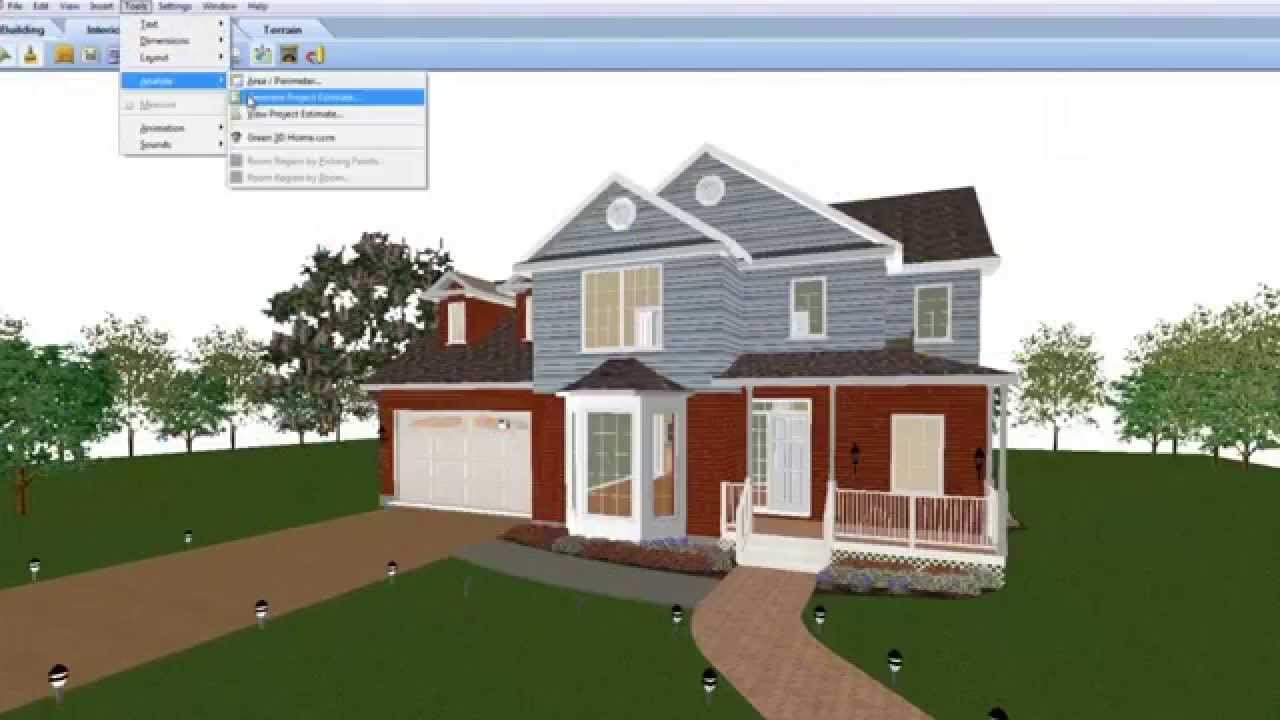
The journey of home design has seen a remarkable transformation. From hand-drawn blueprints to advanced digital designs, the evolution has been both rapid and revolutionary. Initially, designing a home required technical skills and a deep understanding of architecture. However, as technology advanced, so did the tools available to the average homeowner.
Early Beginnings
In the early days, home design was a meticulous and time-consuming process. Architects would draft detailed plans by hand, using rulers, compasses, and protractors. Each line had to be precise, each measurement exact. This method was not only labor-intensive but also prone to errors. Any changes required redrawing the plans, which was both time-consuming and costly.
The Digital Revolution
The advent of computers brought about a significant shift in home design. The first home design software programs were basic but groundbreaking. These early programs allowed users to create digital blueprints, making the process faster and more efficient. Over time, these tools became more sophisticated, incorporating features such as 3D rendering and virtual reality.
Modern Home Design Software
Today’s home design software is a far cry from its humble beginnings. Modern programs are user-friendly, feature-rich, and accessible to everyone, regardless of their technical expertise. With drag-and-drop functionality, extensive libraries of furniture and fixtures, and real-time rendering, designing a home has never been easier or more enjoyable.
Benefits of Using Home Design Software
There are myriad reasons why home design software has become a staple for DIY enthusiasts. From cost savings to enhanced creativity, the benefits are substantial and compelling.
Cost-Effective Solutions
Hiring a professional designer can be expensive. Home design software offers a cost-effective alternative, allowing homeowners to plan and visualize their projects without the hefty price tag. This software eliminates the need for multiple consultations and revisions, significantly reducing overall costs.
Enhanced Creativity and Customization
Home design software empowers users to unleash their creativity. With a vast array of design elements at their fingertips, homeowners can experiment with different styles, colors, and layouts. The ability to customize every aspect of the design ensures that the final result is a true reflection of personal taste and preference.
Visualizing Ideas in 3D
One of the most significant advantages of modern home design software is the ability to visualize ideas in 3D. This feature allows users to walk through their designs, gaining a realistic perspective of the space. It helps in identifying potential issues and making necessary adjustments before any physical work begins.
Easy Modifications and Updates
Designing a home is an iterative process. Home design software makes it easy to modify and update plans as ideas evolve. Whether it’s changing the layout of a room, experimenting with different color schemes, or adding new elements, the software allows for seamless updates without starting from scratch.
Features to Look for in Home Design Software
Choosing the right home design software can be overwhelming, given the plethora of options available. However, certain features can make the design process smoother and more enjoyable. Here are some key features to consider when selecting home design software.
User-Friendly Interface
A user-friendly interface is crucial, especially for those new to home design software. Look for programs that offer intuitive navigation, clear instructions, and easy-to-use tools. This ensures that you can focus on designing rather than struggling with the software.
Extensive Library of Design Elements
An extensive library of design elements, including furniture, fixtures, and materials, is essential. This allows for greater creativity and customization. The more options available, the easier it is to find elements that match your vision.
3D Visualization and Rendering
3D visualization and rendering capabilities are a must-have feature. This allows you to see your designs from different angles and perspectives, providing a realistic view of the final product. Some software also offers virtual reality integration for an even more immersive experience.
Compatibility and Integration
Ensure that the home design software you choose is compatible with your computer system and other design tools you may use. Some programs offer integration with popular software like AutoCAD and SketchUp, enhancing their functionality and versatility.
Support and Tutorials
Good customer support and comprehensive tutorials can make a significant difference, especially for beginners. Look for software that offers robust support options, including online forums, video tutorials, and customer service.
Popular Home Design Software Options
With so many options available, choosing the right home design software can be daunting. Here are some of the most popular and highly recommended programs for DIY home designers.
SketchUp
SketchUp is a versatile and user-friendly home design software that caters to both beginners and professionals. Known for its intuitive interface and powerful 3D modeling capabilities, SketchUp allows users to create detailed designs with ease. The software also offers a vast library of pre-made models, making it easy to find inspiration and incorporate elements into your designs.
Sweet Home 3D
Sweet Home 3D is another excellent choice for DIY enthusiasts. This open-source home design software is free to use and offers a wide range of features. With drag-and-drop functionality, 3D visualization, and an extensive library of furniture and fixtures, Sweet Home 3D is both accessible and powerful.
Home Designer Suite
Home Designer Suite by Chief Architect is a comprehensive home design software that offers a wealth of features for DIY designers. With advanced tools for interior and exterior design, landscaping, and remodeling, Home Designer Suite is perfect for those looking to tackle large-scale projects. The software also includes a variety of templates and sample plans to help users get started.
Floorplanner
Floorplanner is a web-based home design software that is perfect for creating detailed floor plans and layouts. With its easy-to-use interface and extensive library of design elements, Floorplanner makes it simple to create professional-quality designs. The software also offers 3D visualization and the ability to share designs with others, making it a great choice for collaborative projects.
RoomSketcher
RoomSketcher is a powerful and versatile home design software that offers both 2D and 3D design capabilities. With its user-friendly interface and extensive library of furniture and fixtures, RoomSketcher is ideal for both beginners and experienced designers. The software also includes features like virtual tours and 360-degree views, providing an immersive design experience.
Tips for Successful DIY Home Design
Embarking on a DIY home design project can be both exciting and challenging. Here are some tips to ensure your project is successful and enjoyable.
Start with a Clear Vision
Before diving into the design process, take the time to develop a clear vision of what you want to achieve. Consider your needs, preferences, and lifestyle. Create a mood board or gather inspiration from design magazines and websites to help refine your ideas.
Set a Realistic Budget
Setting a realistic budget is crucial for any home design project. Consider all potential costs, including materials, labor, and unexpected expenses. Use your home design software to help estimate costs and keep track of your budget throughout the project.
Plan for Functionality
While aesthetics are important, functionality should be a top priority in your design. Think about how you will use each space and plan accordingly. Consider factors like traffic flow, storage needs, and natural light. A well-designed space should be both beautiful and practical.
Experiment with Different Layouts
One of the benefits of home design software is the ability to experiment with different layouts. Don’t be afraid to try various configurations to see what works best. Play around with furniture placement, wall colors, and decor elements until you find the perfect arrangement.
Seek Feedback
Don’t hesitate to seek feedback from friends, family, or online communities. Sharing your designs with others can provide valuable insights and suggestions. Constructive criticism can help you refine your ideas and improve your final design.
Take Your Time
Designing a home is a significant undertaking, so don’t rush the process. Take your time to explore different options and make thoughtful decisions. Remember, the goal is to create a space that you will love and enjoy for years to come.
The Future of Home Design Software
As technology continues to advance, the future of home design software looks incredibly promising. Emerging trends and innovations are set to make the design process even more accessible, efficient, and enjoyable.
Artificial Intelligence and Machine Learning
Artificial intelligence (AI) and machine learning are poised to revolutionize home design software. These technologies can analyze user preferences and provide personalized design recommendations. AI can also automate routine tasks, such as generating floor plans and optimizing layouts, making the design process faster and more efficient.
Virtual and Augmented Reality
Virtual reality (VR) and augmented reality (AR) are transforming the way we visualize and interact with home designs. VR allows users to immerse themselves in a virtual representation of their designs, providing a realistic sense of space and scale. AR overlays digital elements onto the real world, enabling users to see how furniture and decor will look in their actual home.
Collaborative Design Platforms
Collaborative design platforms are becoming increasingly popular, allowing multiple users to work on the same project simultaneously. These platforms facilitate communication and collaboration, making it easier to share ideas and make collective decisions. This trend is particularly beneficial for couples, families, and design teams.
Sustainable Design Solutions
Sustainability is a growing concern in home design, and home design software is evolving to meet this demand. Many programs now include features that promote eco-friendly design practices, such as energy-efficient layouts, sustainable materials, and green building techniques. This focus on sustainability helps homeowners create environmentally responsible spaces.
Integration with Smart Home Technology
As smart home technology becomes more prevalent, home design software is integrating with these systems to create connected and intelligent homes. Users can design spaces that seamlessly incorporate smart devices, such as lighting, thermostats, and security systems, enhancing the functionality and convenience of their homes.
Conclusion
Home design software has transformed the way DIY enthusiasts approach home improvement projects. With powerful features, user-friendly interfaces, and endless customization options, these tools empower homeowners to bring their design visions to life. Whether you’re planning a small renovation or designing your dream home from scratch, home design software provides the tools and inspiration you need to create beautiful, functional spaces.
As technology continues to advance, the capabilities of home design software will only expand, making it an indispensable tool for anyone looking to embark on a DIY home design journey. So, roll up your sleeves, fire up your computer, and let your creativity soar. The home of your dreams is just a few clicks away.




More Stories
The Hidden Impact of Water Chemistry on Skin Barrier Health and Hair Resilience
Rodent-Proofing a Metuchen, NJ Home: Where Most People Go Wrong
5 Free Marketing Tools to Level Up Your Retail Events