
Introduction to Water Pressure Issues
Maintaining adequate water pressure in a residential setting is essential for everyday tasks such as showering, washing dishes, and watering the garden. However, many homeowners face challenges with low water pressure, particularly in urban areas supplied by city water systems. This comprehensive guide explores effective strategies and solutions to improve water pressure in house connected to city water supplies.
Understanding Water Pressure
Water pressure refers to the force exerted by water as it flows through pipes and fixtures. It is typically measured in pounds per square inch (psi). Adequate water pressure ensures efficient distribution and satisfactory performance of plumbing fixtures and appliances throughout the home.
Common Causes of Low Water Pressure
- Water Supply Issues: Aging infrastructure, clogged pipes, or water main breaks can reduce water pressure in municipal water systems.
- Internal Plumbing Problems: Build-up of mineral deposits, pipe corrosion, or improper pipe sizing within the home’s plumbing system can contribute to decreased water pressure.
- Elevation and Distance: Homes located at higher elevations or farther from the municipal water source may experience lower water pressure due to gravity and friction loss in the pipes.
Assessing Current Water Pressure
Before implementing water pressure improvement measures, it’s crucial to determine the existing water pressure level. Use a water pressure gauge to measure psi at various points in the house, including faucets and showerheads. Normal water pressure typically ranges between 40 to 80 psi, with optimal pressure around 60 psi for most residential applications.
Steps to Improve Water Pressure in House
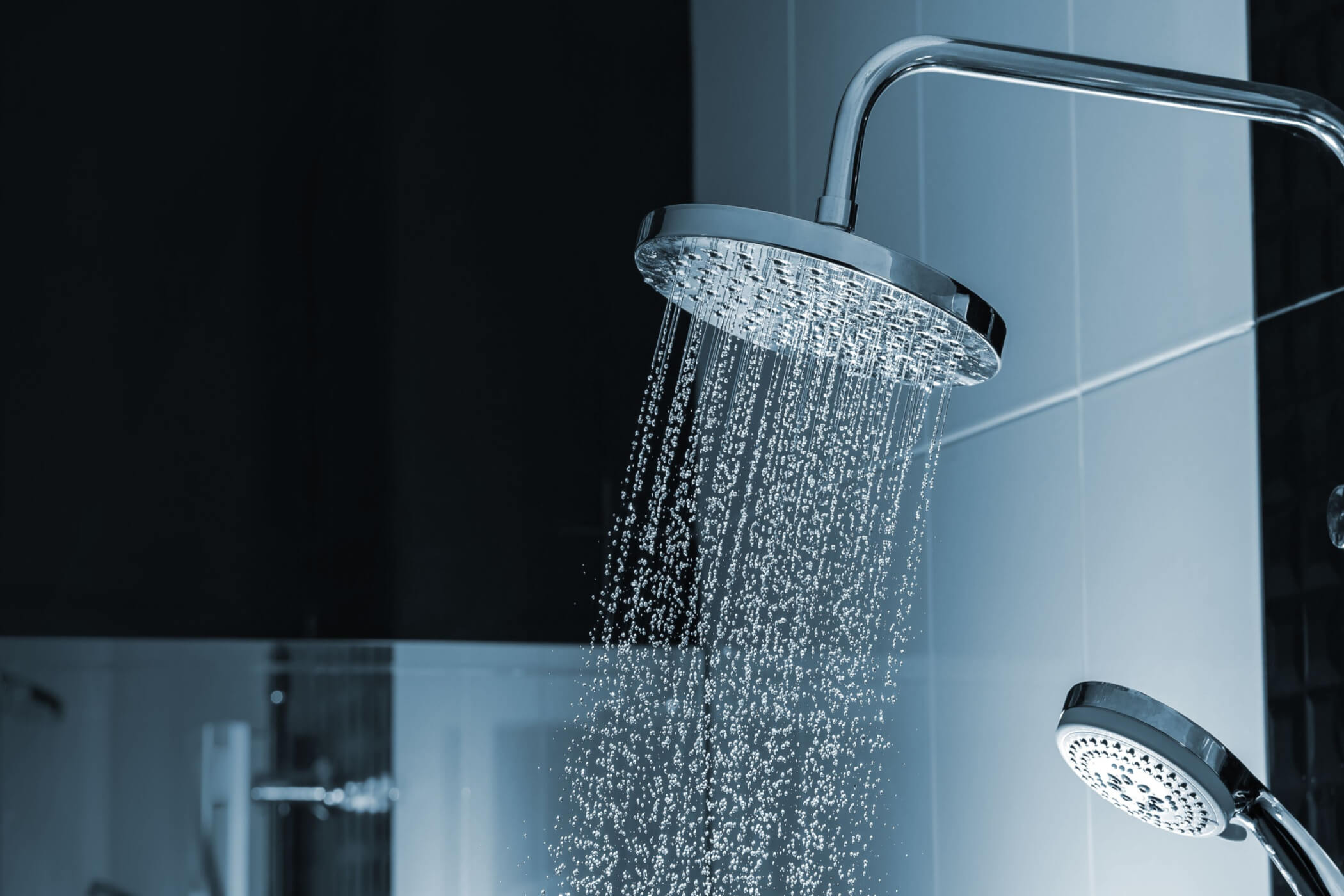
1. Check for Leaks and Clogs
Inspect plumbing fixtures, pipes, and connections for leaks, blockages, or sediment build-up that may hinder water pressure. Repair leaks promptly and clean out debris from faucet aerators and showerheads to improve flow.
2. Evaluate Pressure Regulator
Ensure the pressure regulator valve (PRV) is functioning correctly. The PRV controls incoming water pressure from the municipal supply and should be adjusted or replaced if it’s malfunctioning or set too low.
3. Upgrade Pipes and Plumbing
Consider replacing outdated or corroded pipes with larger diameter pipes that reduce friction and improve water pressure. PEX (cross-linked polyethylene) and CPVC (chlorinated polyvinyl chloride) pipes are durable alternatives known for their smooth interior surfaces that enhance flow.
4. Install a Water Pressure Booster Pump
A water pressure booster pump increases water pressure by actively pumping water through the plumbing system. Choose a pump that matches the home’s demand and integrates seamlessly with existing plumbing.
5. Flush Water Heater
Sediment accumulation in the water heater tank can restrict water flow and reduce water pressure. Periodically flush the water heater to remove sediment and maintain optimal performance.
6. Consider Water Pressure Tanks
For homes with fluctuating water pressure, a water pressure tank provides consistent water pressure by storing water under pressure and releasing it when demand increases. These tanks are particularly beneficial in homes with well water systems.
7. Consult with a Professional
If water pressure issues persist or if you’re unsure about the best course of action, consult a licensed plumber. A professional assessment can identify underlying problems and recommend tailored solutions to improve water pressure in house effectively.
Precautions and Considerations
- Pressure Safety: Avoid setting water pressure too high, as it can damage plumbing fixtures and appliances. Follow manufacturer recommendations for safe operating pressures.
- Compliance: Adhere to local building codes and regulations when modifying plumbing systems or installing water pressure enhancement devices.
- Maintenance: Regularly maintain plumbing fixtures, pipes, and pressure enhancement equipment to ensure optimal performance and longevity.
Benefits of Improved Water Pressure
Enhancing water pressure offers numerous benefits, including:
- Enhanced showering experience with stronger water flow.
- Improved efficiency of washing machines and dishwashers.
- Faster filling of bathtubs and sinks.
- Consistent irrigation for gardens and landscaping.
Conclusion
In conclusion, addressing water pressure challenges in a city water system requires a systematic approach to identify and resolve underlying issues. By implementing targeted solutions such as repairing leaks, upgrading plumbing, installing pressure boosting equipment, and seeking professional guidance when needed, homeowners can significantly improve water pressure in house and enhance daily living comfort. Prioritize maintenance and periodic inspections to sustain optimal water pressure levels and ensure reliable performance of plumbing systems. With proactive measures and informed decisions, homeowners can enjoy the benefits of consistent and adequate water pressure throughout their homes.



More Stories
The Hidden Impact of Water Chemistry on Skin Barrier Health and Hair Resilience
Rodent-Proofing a Metuchen, NJ Home: Where Most People Go Wrong
5 Free Marketing Tools to Level Up Your Retail Events