
Introduction to House Improvement Tax Deduction
Understanding which house improvement tax deductions you may qualify for can significantly impact your finances when it comes to owning and maintaining a home. This guide explores the intricacies of house improvement tax deductions, providing insights into eligible improvements, criteria for deduction, and tips for maximizing tax benefits.
Eligible Home Improvements
Certain types of home improvements may qualify for house improvement tax deductions under specific circumstances:
- Energy-Efficient Upgrades: Installing solar panels, energy-efficient windows, doors, insulation, or heating and cooling systems that meet Energy Star requirements can qualify for tax credits or deductions.
- Medical Necessity Modifications: Home improvements made for medical reasons, such as adding ramps or modifying bathrooms for accessibility, may be eligible as medical expense deductions if they exceed a certain percentage of your adjusted gross income (AGI).
- Capital Improvements: These are improvements that increase the value of your home, prolong its useful life, or adapt it to new uses. Examples include adding a room, renovating a kitchen, or installing a swimming pool.
Criteria for House Improvement Tax Deduction
To qualify for house improvement tax deductions, improvements must meet specific criteria:
- Substantial and Permanent: The improvement must be substantial in nature and intended to last for an extended period.
- Capital in Nature: It must add value to the home, adapt it to new uses, or prolong its useful life.
- Personal Use Property: Deductions typically apply to improvements made on your primary residence and not on rental or investment properties, unless specifically allowed under certain circumstances.
Documentation and Record-Keeping
Maintaining accurate records is crucial when claiming house improvement tax deductions:
- Keep receipts, invoices, and contracts related to the improvements.
- Document the dates of the improvements and costs incurred.
- Retain proof of payment and descriptions of the work performed.
Examples of Non-Deductible Improvements
Not all home improvements qualify for tax deductions:
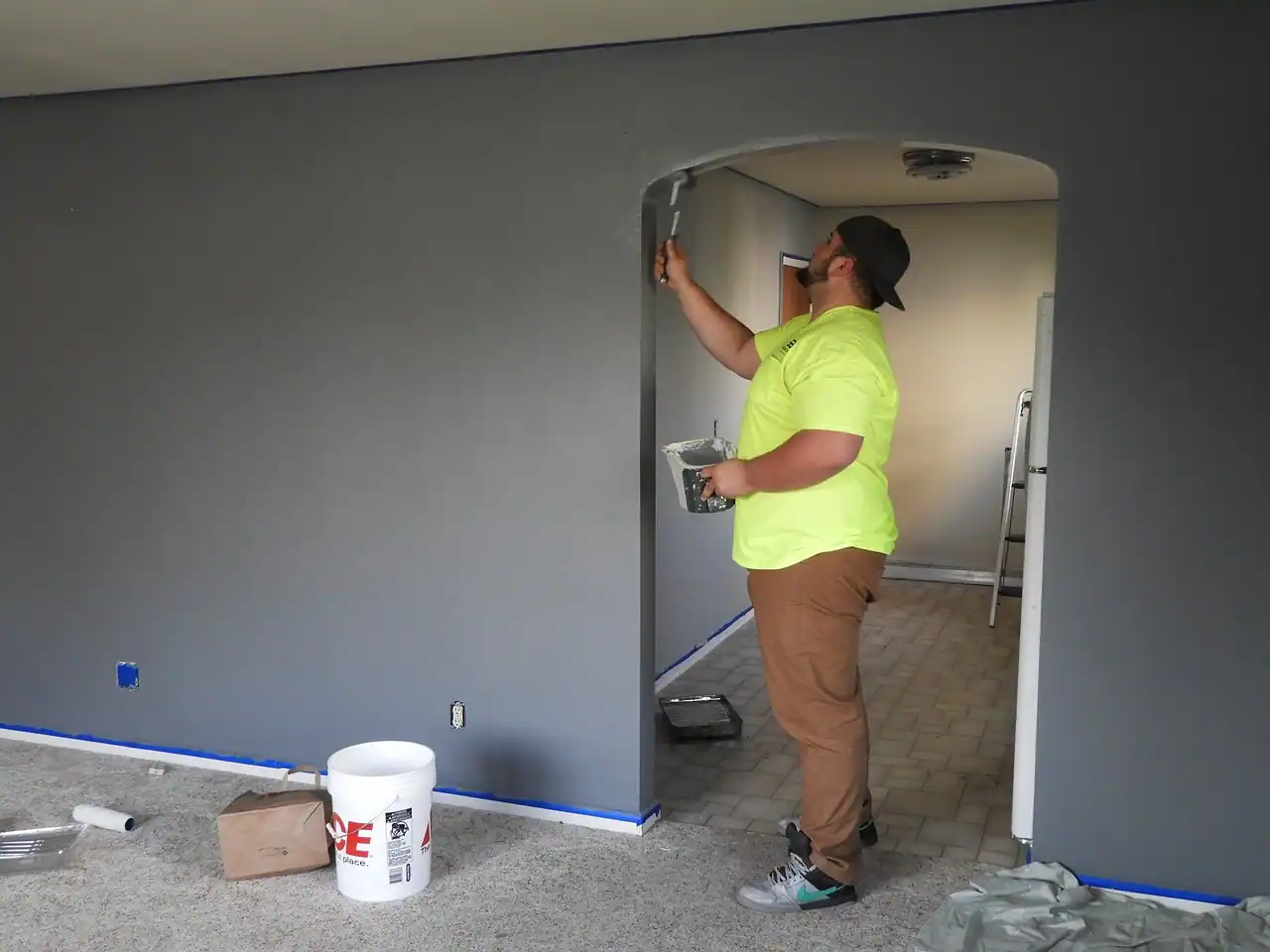
- Cosmetic Enhancements: Painting, wallpapering, and similar cosmetic changes that do not substantially add to the home’s value or prolong its life typically do not qualify.
- Repairs: Routine repairs and maintenance, such as fixing a leaky faucet or repairing broken windows, are generally not deductible as they are considered part of normal homeownership expenses.
Tax Credits vs. Tax Deductions
It’s essential to distinguish between tax credits and tax deductions:
- Tax Credits: Directly reduce the amount of tax owed. For example, installing solar energy systems or certain energy-efficient appliances may qualify for tax credits.
- Tax Deductions: Reduce taxable income, potentially lowering the amount of tax owed. Deductions for home improvements are typically claimed on Schedule A (Itemized Deductions) of Form 1040.
Maximizing Tax Benefits
To maximize house improvement tax deductions:
- Plan eligible improvements strategically to optimize tax benefits.
- Consider timing improvements to maximize deductions in a particular tax year.
- Consult a tax professional or accountant to ensure compliance with current tax laws and to explore all available deductions and credits.
Legislative Updates and Changes
Stay informed about legislative updates and changes that may impact house improvement tax deductions:
- Monitor changes in tax laws that affect eligibility for deductions and credits.
- Advocate for policies that promote sustainable housing improvements and enhance tax incentives for homeowners.
Conclusion
In conclusion, understanding the nuances of house improvement tax deductions empowers homeowners to make informed decisions about home renovations and upgrades. By focusing on eligible improvements that add value, improve energy efficiency, or meet medical necessity criteria, homeowners can potentially reduce their tax liabilities and enhance the comfort and functionality of their homes. Remember to keep meticulous records, consult with tax professionals when needed, and stay updated on evolving tax policies to leverage available deductions effectively. With careful planning and strategic investments, homeowners can navigate the complexities of tax deductions for home improvements and achieve both financial savings and improved living environments.




More Stories
The Hidden Impact of Water Chemistry on Skin Barrier Health and Hair Resilience
Rodent-Proofing a Metuchen, NJ Home: Where Most People Go Wrong
5 Free Marketing Tools to Level Up Your Retail Events